Concrete Removal
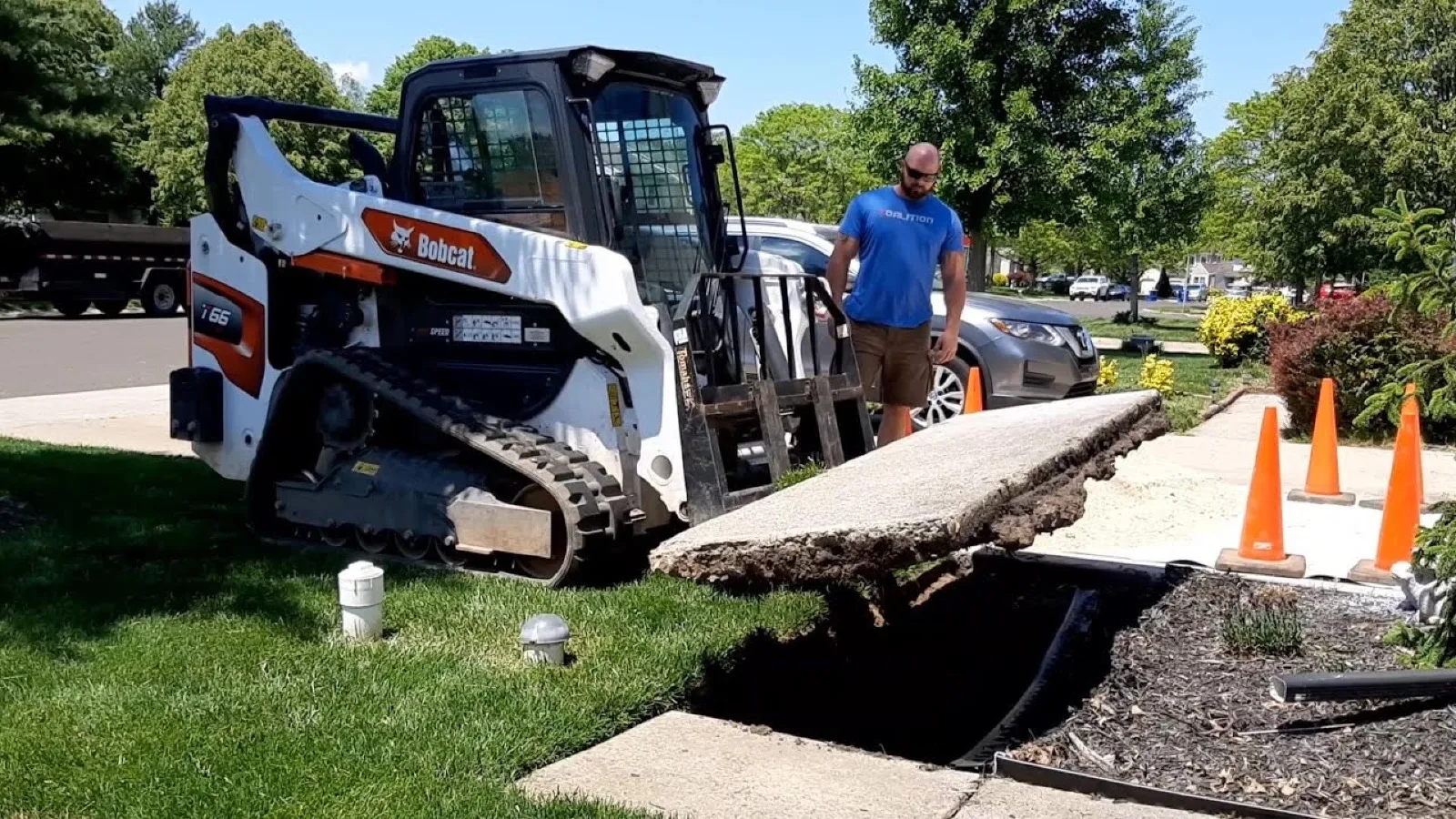
We break out old driveways, patios, pool decks and slabs anywhere in Los Angeles. Our own trucks haul the broken concrete to a certified recycling facility, so removal and disposal are one job.
View Details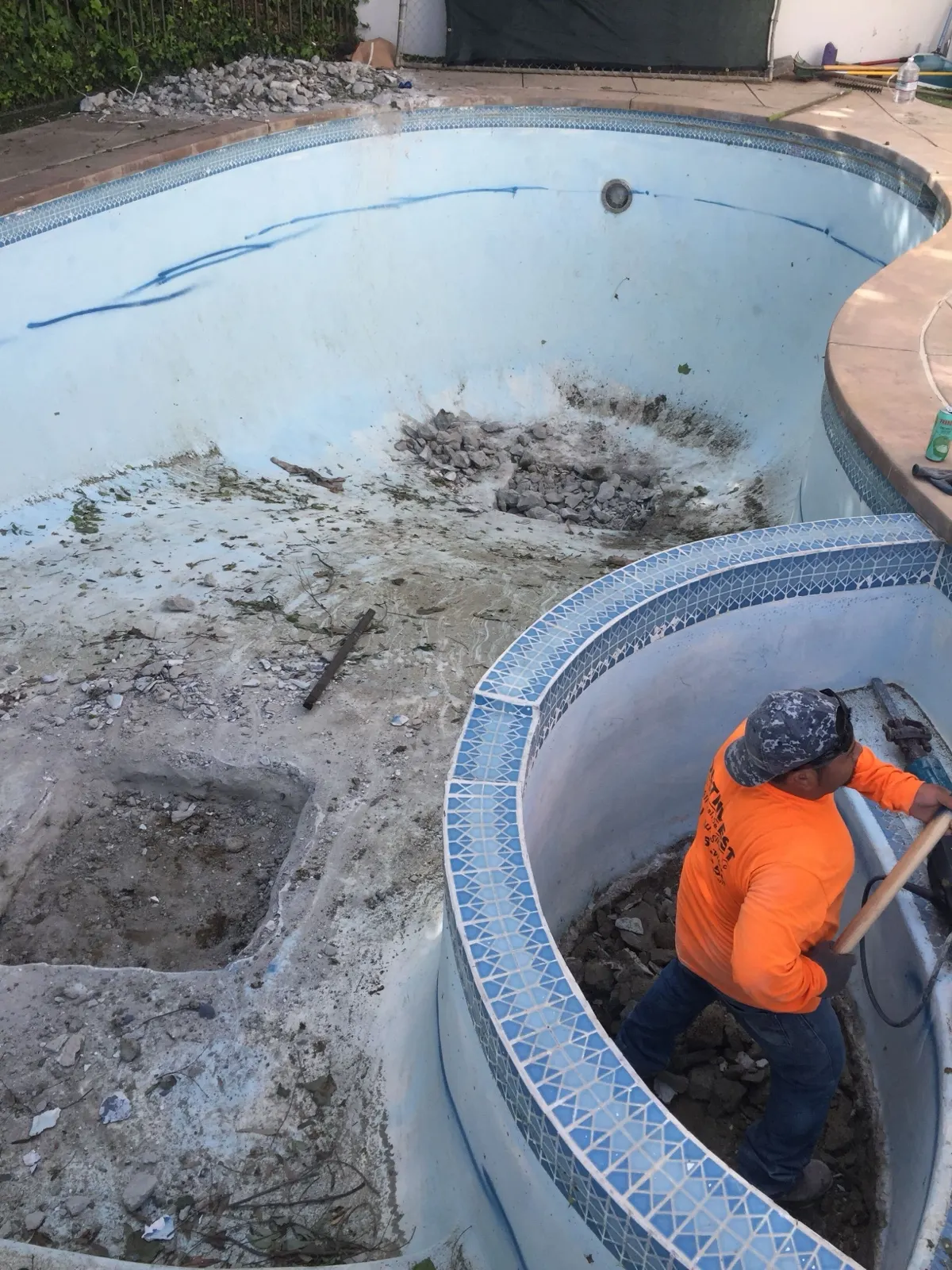
Pool demolition is the work of taking an existing swimming pool out of a Los Angeles backyard. There are two routes. A partial removal, also called a fill in, leaves the shell in the ground and packs it with clean fill. A full removal takes the whole shell out. Engineered fill goes back in, so the ground can carry a building later. Which one you pick depends on what that part of the yard does next.
We have run demolition and hauling in Los Angeles since 1994, licensed and insured, CA License 792182. Pool work is demolition plus disposal, and we handle both with our own trucks and equipment. With multiple crews, the breakout and the haul off stay on one schedule. The concrete leaves as it comes out. When the fill is in, we finish with rough grading and leave you a clean dirt pad.
Tell us about your project and we will get right back to you.
Two routes, and the city cares which one you pick. A fill in, sometimes called pool abandonment, starts with draining the pool. Crews then break holes through the floor so water passes through instead of collecting under the yard. Clean soil or gravel goes in, moistened and packed down in layers as it fills. The top gets capped with soil. It is the faster route and the cheaper one.
In a full removal the shell comes out: floor, walls, coping, steps and the concrete deck around it. Rebar and broken concrete get loaded and trucked off. The hole is then filled with engineered fill and compacted in lifts, with testing as it goes. That is the route that puts the lot back to buildable. If you want an addition, a garage or an ADU on that footprint, this is the one.
Attached spas come out with the pool. An in ground spa shares plumbing and often shares a wall, so it is part of the same job. A portable acrylic tub sitting on a pad is a smaller and different job, and that is hot tub removal. Above ground pools are smaller still. The frame and liner come apart and go out in the truck, and there is no shell to break.
In the City of Los Angeles, yes. The Department of Building and Safety publishes an information bulletin on backfill of swimming pools. It calls for a grading permit either way. The permit names the total cubic yards of fill going in. Sites in a hillside grading area also need a grading pre-inspection report. The bulletin sets three inspections. One is a look at the bottom before any fill goes in. Plan the schedule around those dates.
If the shell stays, the fill is uncertified and the plan has to say so. The bulletin then limits that area to landscaping use. It also rules out pools on ground that slopes more than ten percent. Take the shell out and place compacted fill, and a soil testing agency checks it. A compaction report then goes to the city. No foundation goes in until that report is approved.
That is the City of Los Angeles, which covers Bel Air, Brentwood, Pacific Palisades and San Pedro. The beach cities and Beverly Hills run their own building departments, and their rules are their own. Check with your city before you set a date. An estimator can tell you which one covers your property. Our permit guide for Los Angeles demolition covers how the city handles demolition permits in general.
A pool full of water cannot be demolished, so draining comes first. The water has to be dechlorinated before it goes anywhere. Left alone for several days without chlorine, the level drops on its own. The route to plan on is the sanitary sewer cleanout on the property. That sends the water to a treatment plant. The gutter and the storm drain are a separate question, and some cities prohibit them outright.
Rules change at the city line. Santa Monica, for one, publishes discharge requirements for pools and water features. It puts permeable ground on the property or the on site sanitary sewer first. The storm drain is allowed only where those are shown to be infeasible or unsafe. It also calls for approval and advance written notice before draining. Saltwater and filter backwash go to the sewer only.
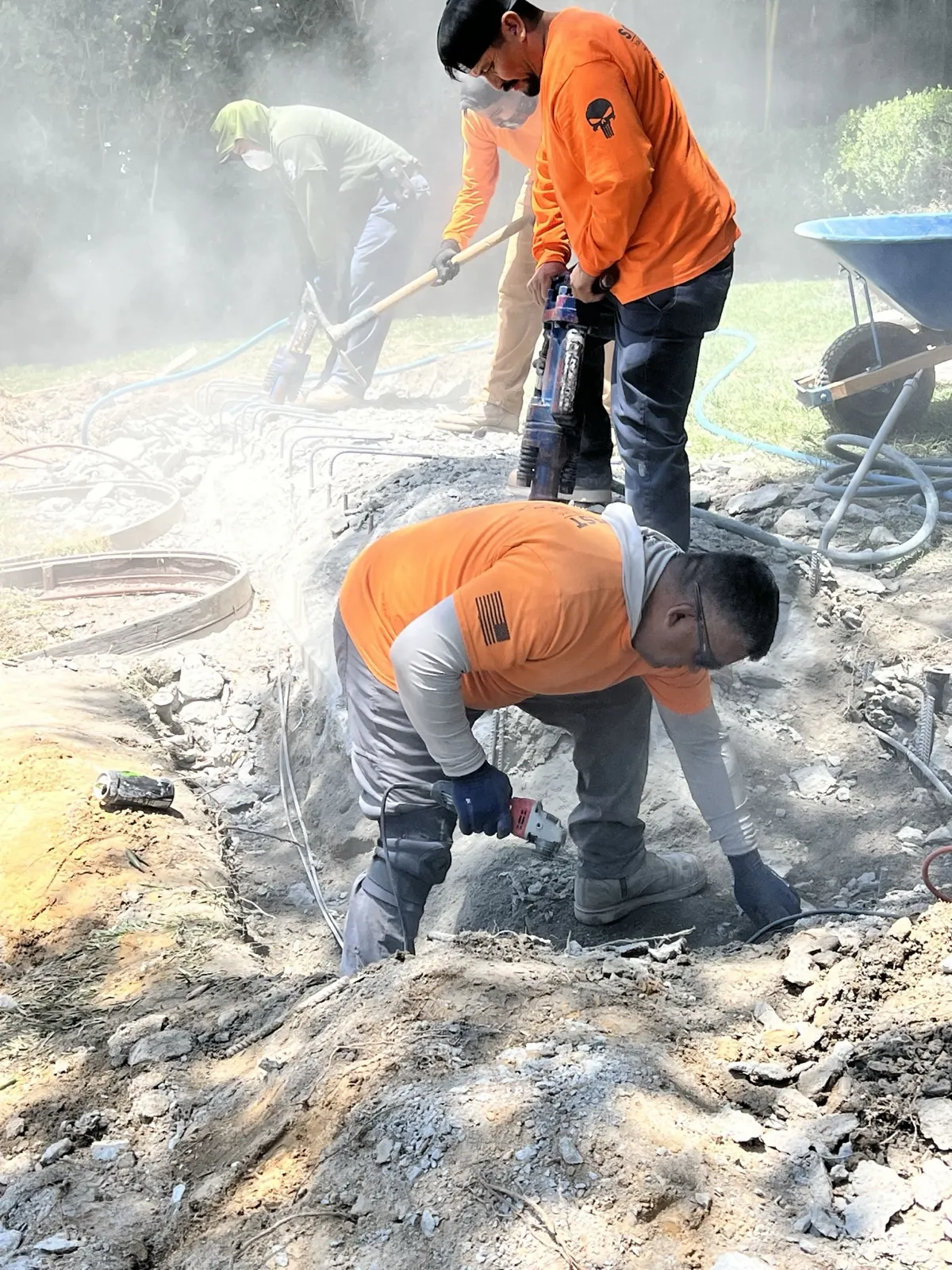
Access decides how a pool job runs. A standard side gate takes a skid steer. The machine breaks the shell, the loader carries it out, the dump truck takes it away. Behind a locked estate gate or on a narrow hillside street, the work shifts to jackhammers and hand carry. A mini excavator with a hydraulic breaker does what it can reach. Every piece then gets moved twice, and that is what takes the days.
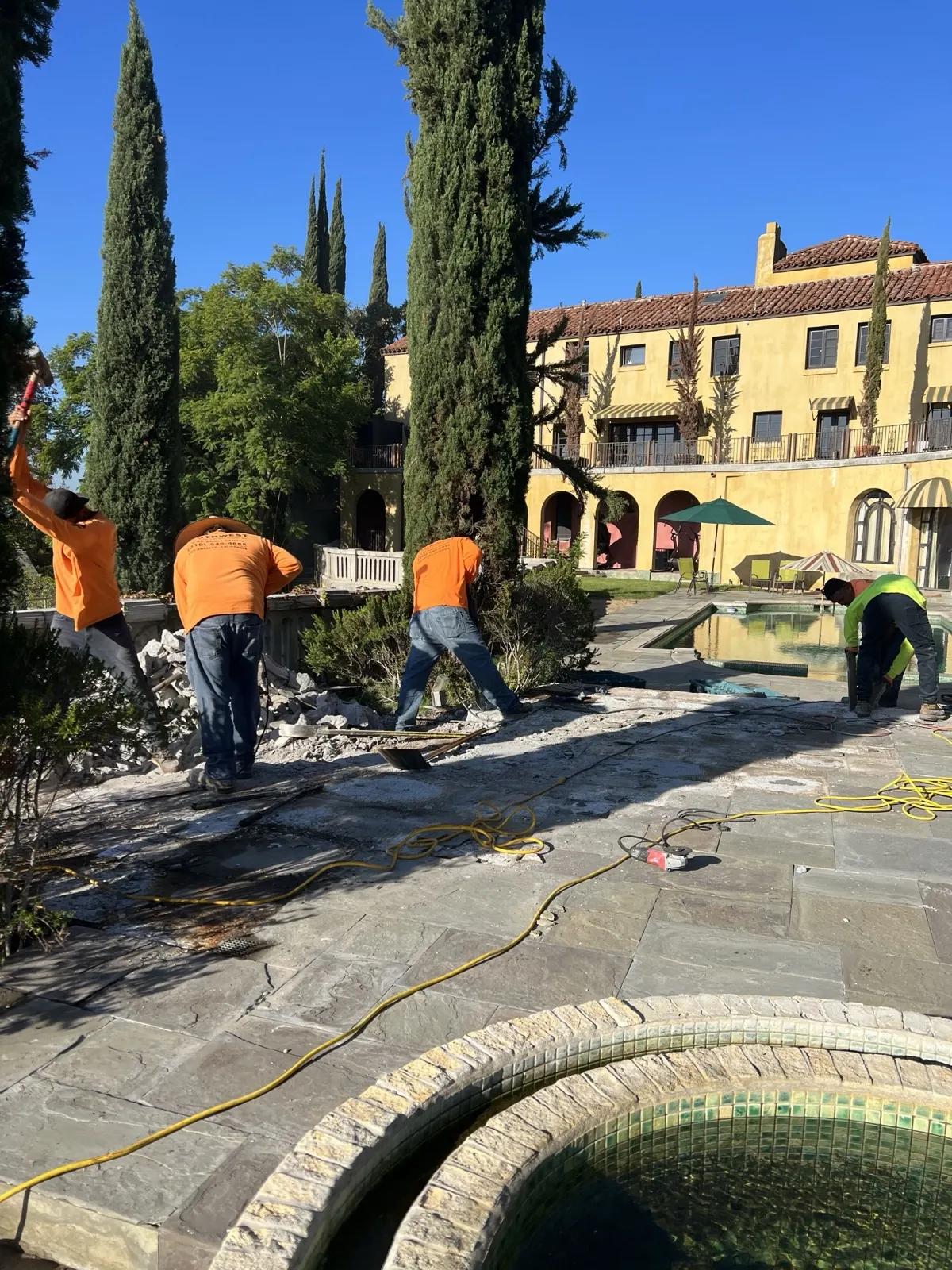
The pump, heater and pool lights have to be dead before anyone swings a hammer. Power and gas get disconnected and capped first, by the trade that handles them. The deck and any flagstone or coping around the pool usually come out with the shell. If the pool is staying and only the concrete around it comes out, that is a pool deck removal job.
Debris leaves in our own trucks the same day. Clean concrete goes to certified recycling facilities, where it is crushed into base rock. Rebar and the metal off the equipment pad go to metal recycling. Whatever is left goes to a licensed transfer station. Trucks stage on the street and run out and back. The load count comes from weight, not pile size. The yard clears as the work goes.
Size and build come first. A small vinyl pool and a large gunite pool are not the same demolition. Gunite is thick and heavily reinforced, so it takes longer to break and weighs more to haul. Depth matters for the same reason, because a diving end holds more concrete and takes more fill. Raised bond beams and heavy stone coping add material that has to leave.
Then access. A yard a skid steer can reach is a different job from one where every bucket is a wheelbarrow. Hillside lots and locked gates add labor and time. The route you choose moves the number too. A fill in uses less trucking and less imported fill. A full removal adds engineered backfill, testing and a compaction report. Distance to the disposal and recycling yards shows up in the truck count.
Permits, inspections and any soils work your city calls for sit on top of that. So does getting fill in and debris out on a street where trucks cannot park easily. An estimator prices all of it after seeing the pool and the access in person, free. Call 310-546-4855 or send us the details and we will get you on the schedule.
Free, no-obligation estimates across the Westside and South Bay.
(310) 546-4855From the first look at the job to the final walk-through, here is exactly how it goes.
Tell us what needs to come down, come out or get hauled off. A few photos help. We cover the Westside and South Bay, Beverly Hills to Long Beach.
The estimate happens at the property, free. We check the structure, the access and where the trucks will sit, then give you one number for the whole job.
Multiple crews, our own trucks and equipment. The teardown, the loading and the hauling stay with one company, so the schedule holds.
Debris goes out on our trucks to licensed facilities. We sweep the street, clear the drive and leave the property ready for whatever comes next.
Common questions about pool demolition across the Westside and South Bay. Don't see yours? Give us a call and ask.
We break out old driveways, patios, pool decks and slabs anywhere in Los Angeles. Our own trucks haul the broken concrete to a certified recycling facility, so removal and disposal are one job.
View Details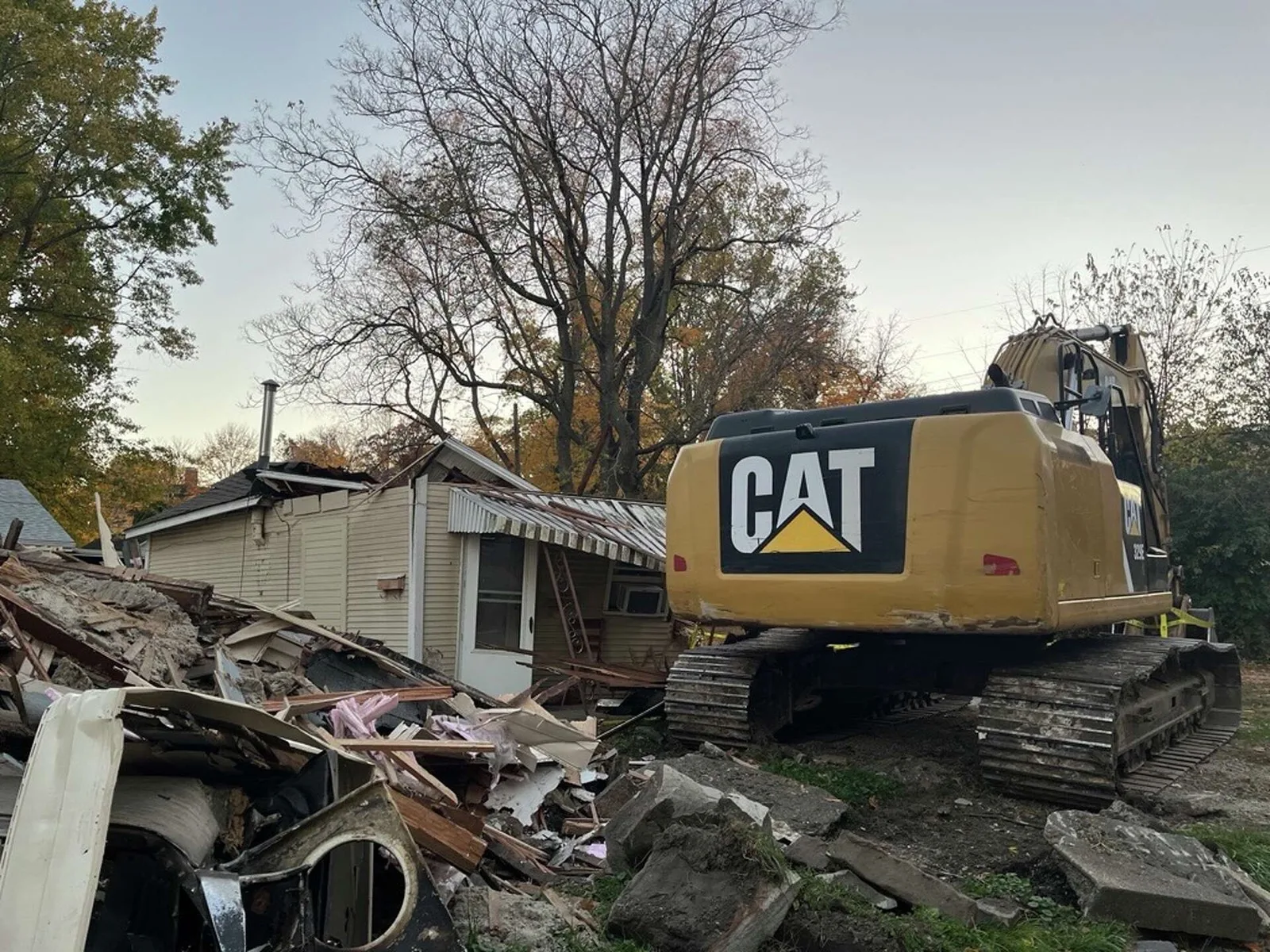
We take down houses, garages, and small structures across Los Angeles. Our own trucks haul the debris, so the lot is clear and ready for your builder.
View Details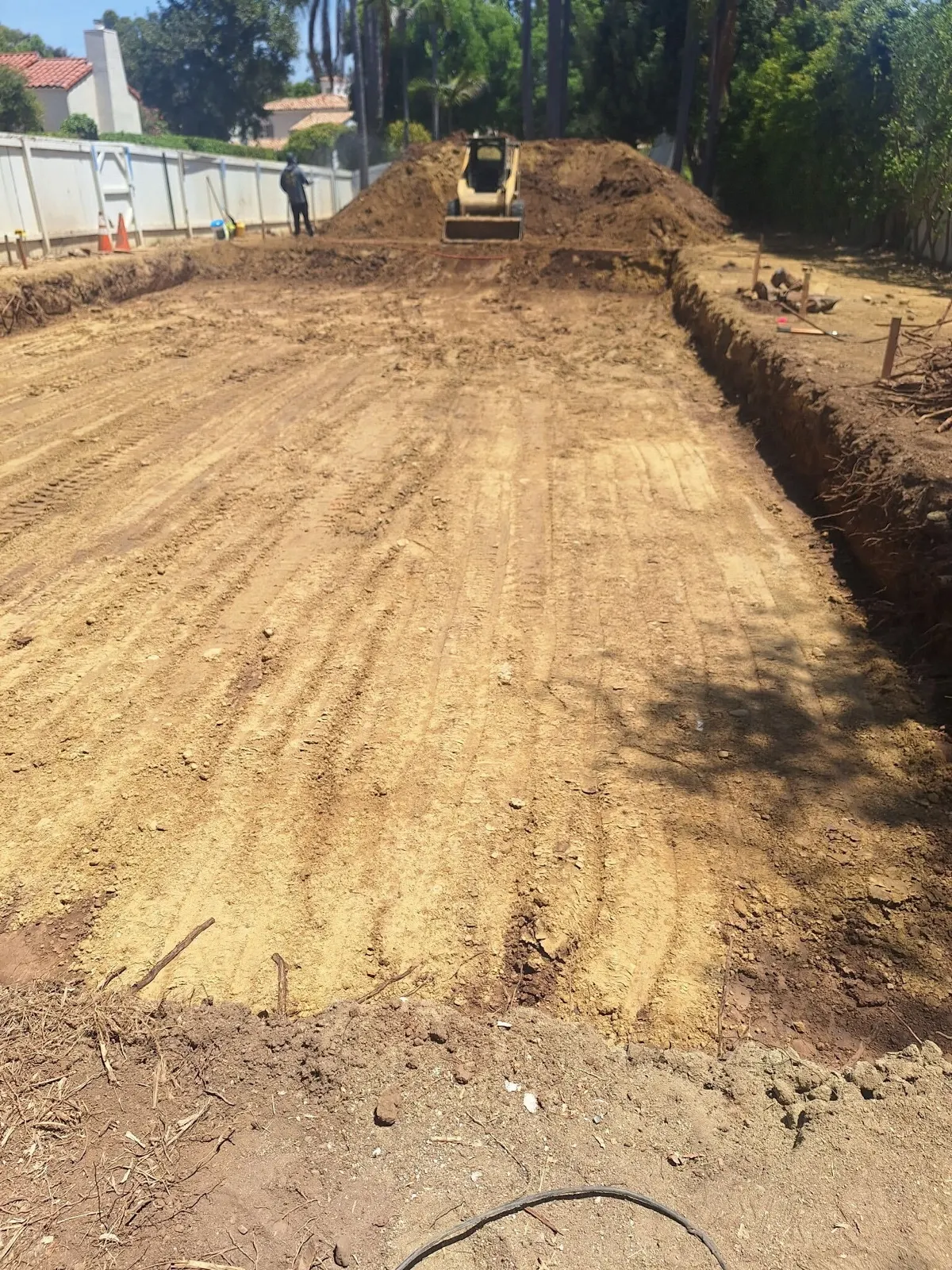
We rough grade residential lots across Los Angeles, from a backyard cut to a level pad for a new build. Our crews trench for utilities and footings, then haul the extra dirt off the property.
View Details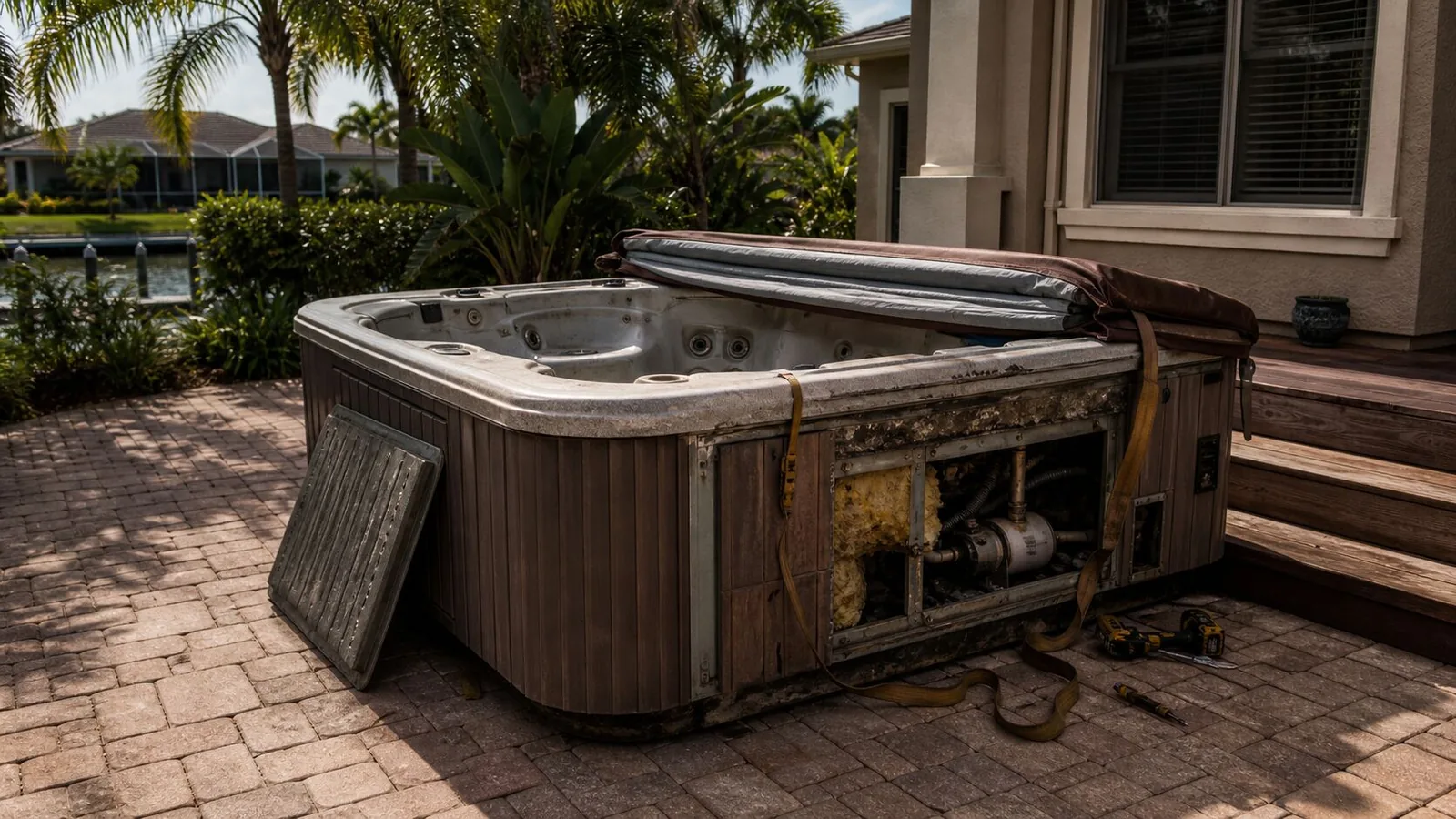
Hot tub, spa and swim spa removal across the Westside and South Bay. We cut the tub apart where it sits and haul every piece off in our own trucks.
View Details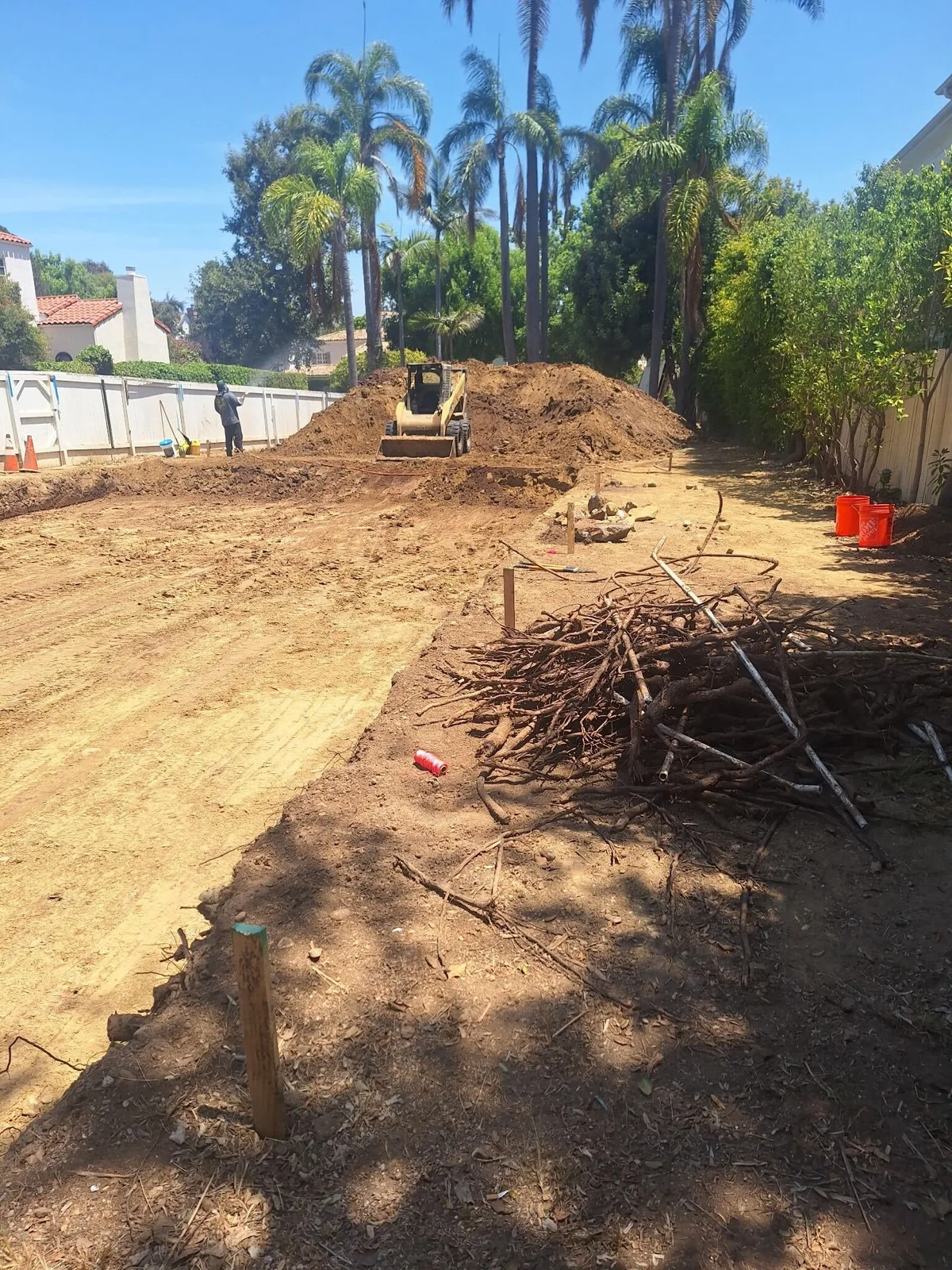
Vacant lots in Los Angeles collect two things, overgrowth and other people's trash. We clear both off the lot and haul it all away.
View Details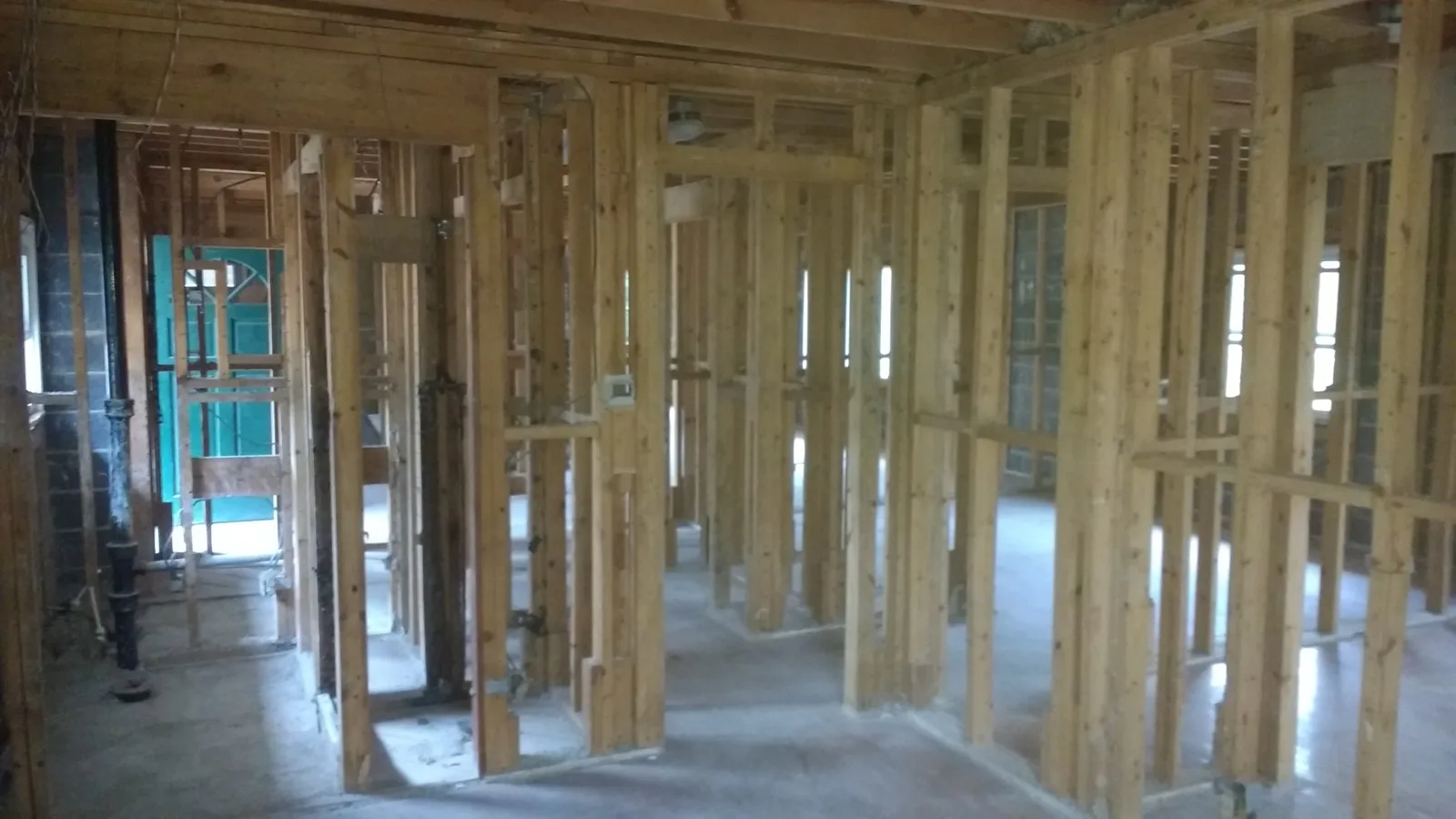
We gut kitchens, bathrooms, walls and floors inside homes that are staying up. Everything you keep gets covered first, and the debris leaves on our own trucks instead of sitting in a bin out front.
View DetailsSouthwest Hauling was founded in 1994, and every job still gets priced in person. The slogan on the trucks has not changed since: It's All About Service. Same owner, same phone number, same standard.
Our own trucks and equipment do the loading and the hauling. Debris leaves on our schedule, not a bin company's. The teardown and the haul-off are one job and one price.
Twenty years of City of Los Angeles contracts clearing foreclosed and vacant properties. That work runs on deadlines and documentation, and the habit stuck. Sites get finished, not abandoned.
Much of our work sits behind gates on the Westside, and NDAs are routine. Crews park where you say, keep the site tidy and do not talk about whose property they are on.
How much does pool removal cost in Los Angeles? About $4,000 to $16,000 for a full removal, $2,000 to $10,000 to fill in. An on site look sets it.
Read more →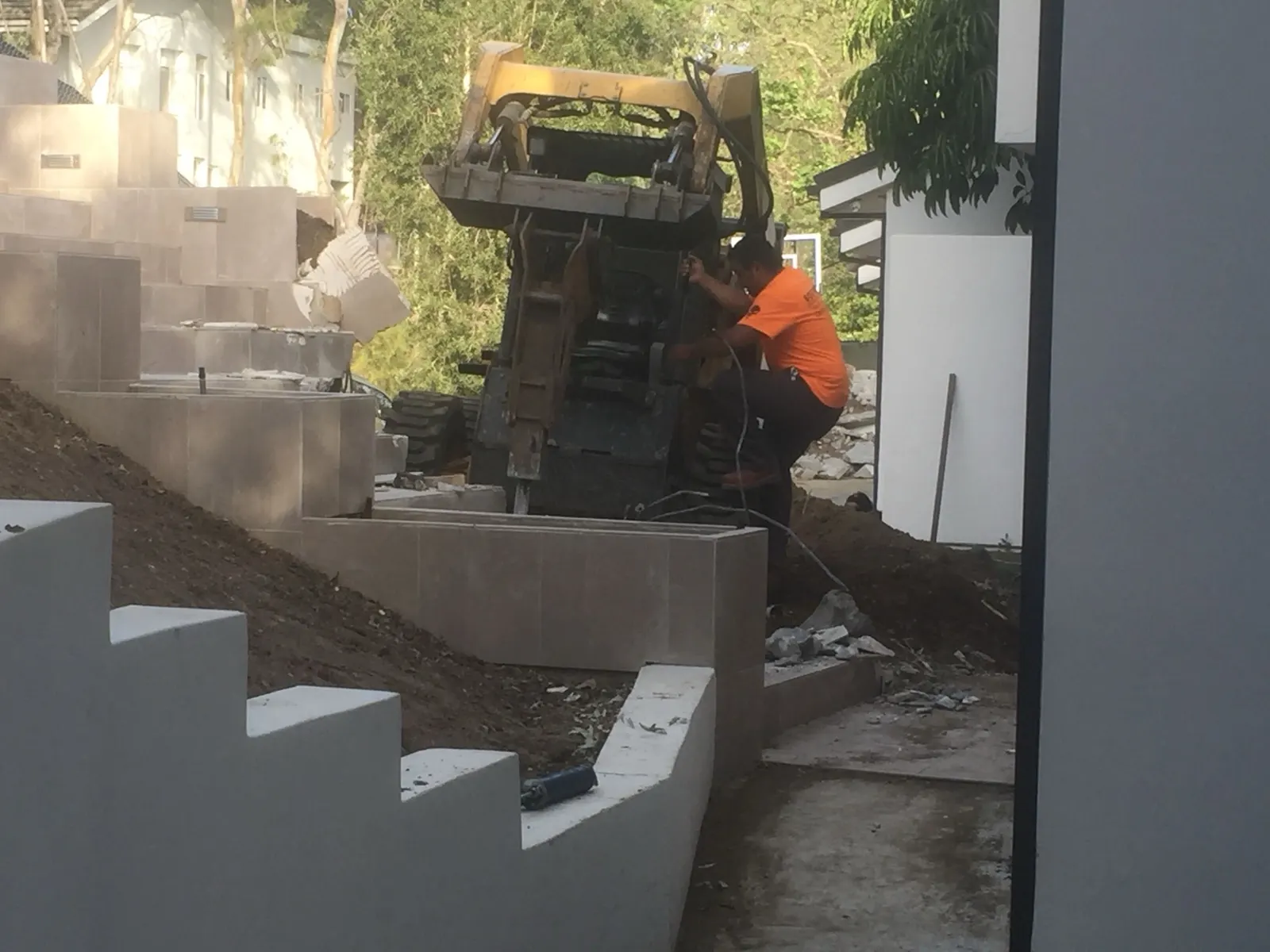
How much does concrete removal cost in Los Angeles? HomeGuide puts it at $3 to $8 per square foot with disposal. An on site look sets your real number.
Read more →Yes. LA teardowns need an LADBS demolition permit, a pre-inspection, a sewer cap permit and AQMD asbestos steps first. The 45-year rule adds 30 days.
Read more →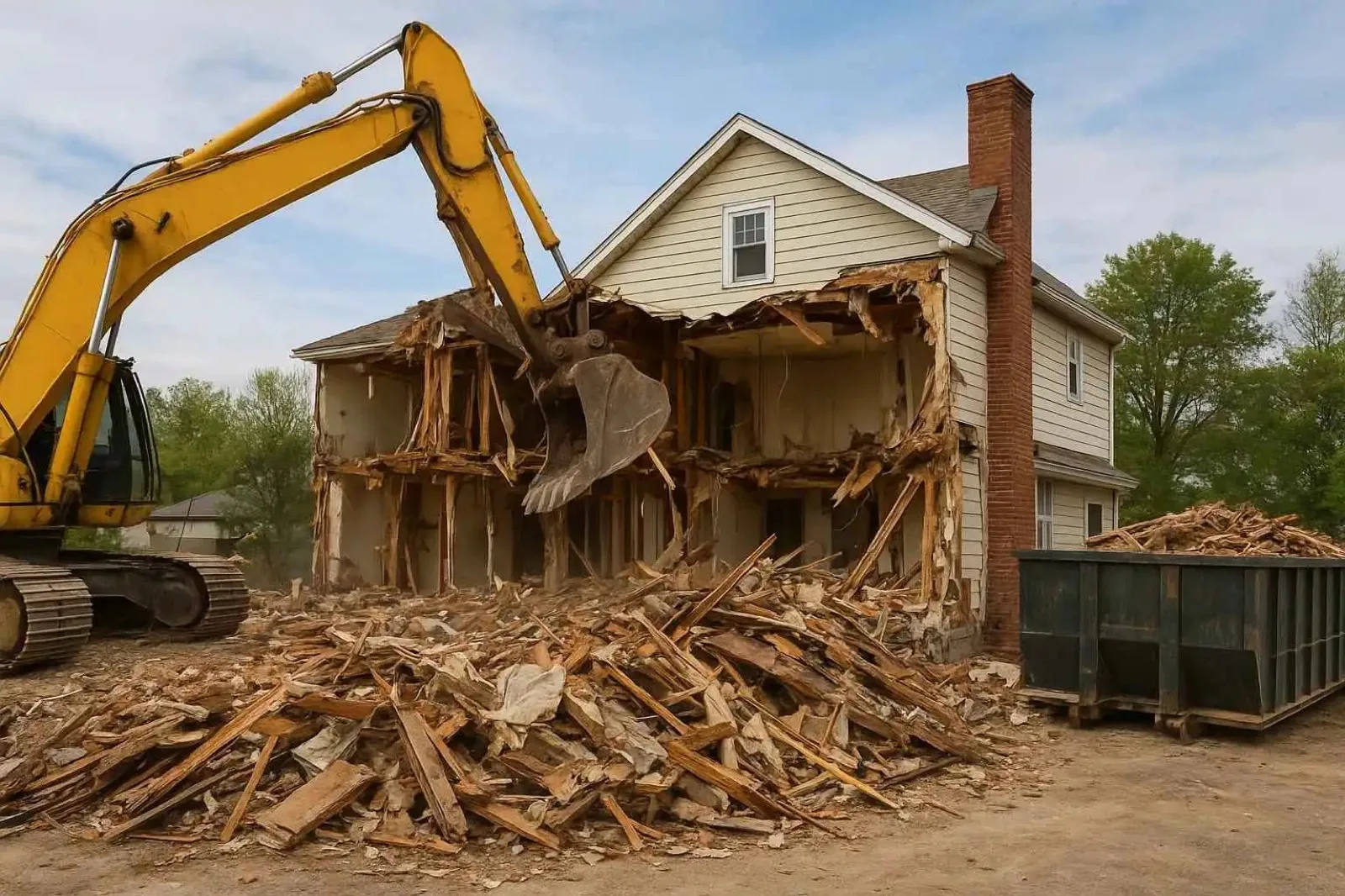
Most LA house demolitions run $10,000 to $35,000, and guides quote $8 to $18 per square foot. What drives the price, permit costs, asbestos, and timelines.
Read more →A house that needs to come down, a garage full of junk, a lot that needs clearing? Call or send the form and we will look at the job with you and price the whole thing, teardown through haul-off. The estimate is free.
Tell us about your project and we will get right back to you.