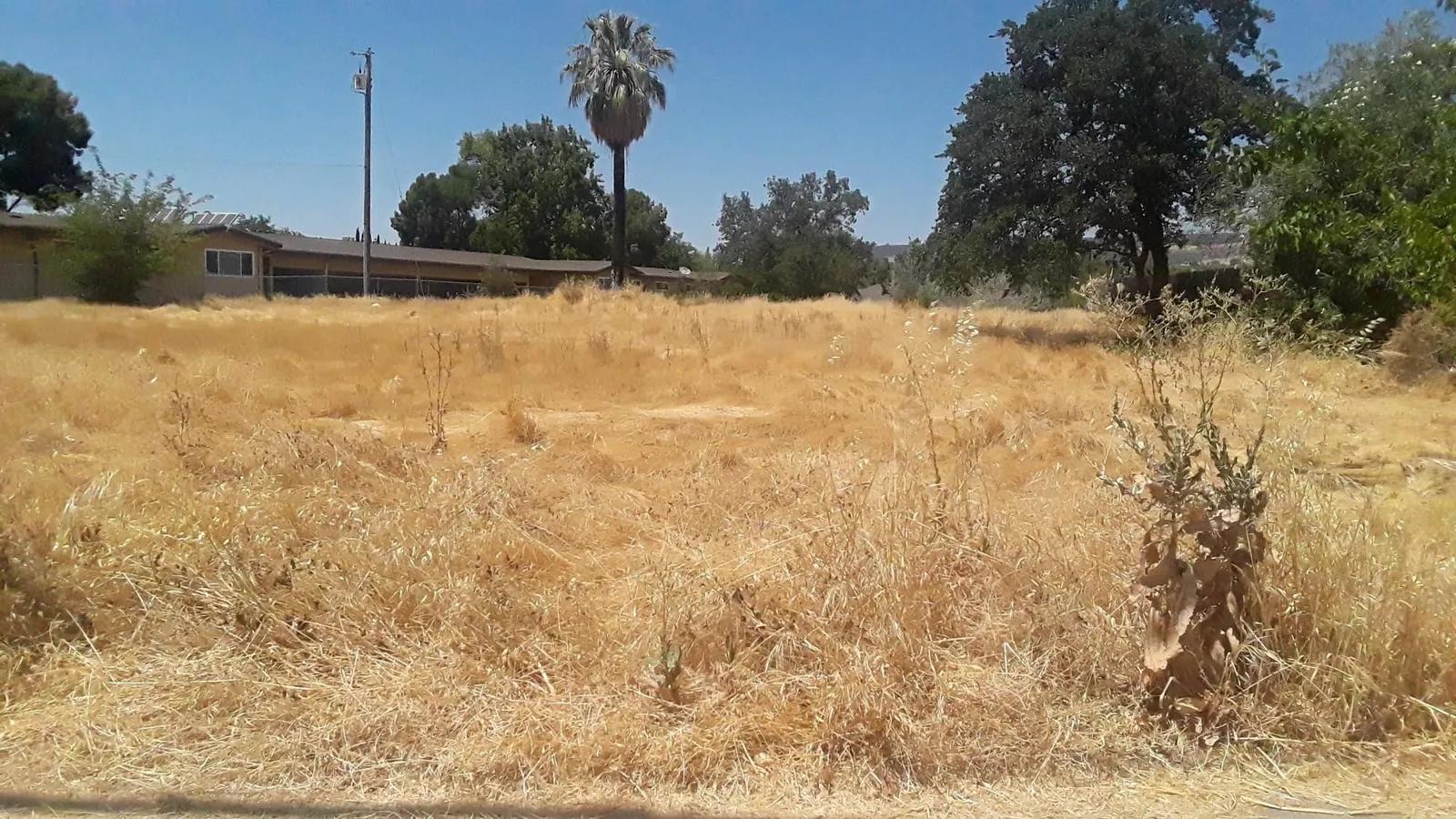
What is the Los Angeles County weed abatement program?
Los Angeles County weed abatement is a joint program of County Fire and the Agricultural Commissioner/Weights and Measures (ACWM). ACWM works mainly on vacant parcels, and County Fire works on parcels with homes in the Fire Hazard Severity Zones. Each year, a Board of Supervisors resolution declares the weeds, brush and rubbish on listed parcels a public nuisance. The 2026 resolution passed January 13, 2026, and the notices that followed are dated February 1, 2026.
Then the owner clears the parcel, or the County clears it and adds the cost to the property tax bill. An owner can do the work or hire it out. Our crews do weed abatement to the notice’s standard, and the cuttings leave in our own trucks the same day.
Who runs the program, and which parcels are in it?
The program is not countywide, but it covers most of the county. County Fire, the Los Angeles County Fire Department, serves the unincorporated county plus a list of cities. Its 2026 notice lists Rancho Palos Verdes, Palos Verdes Estates, Rolling Hills, Rolling Hills Estates and Lomita. Hermosa Beach is on the list, too.
ACWM’s own list of cities and areas names the same five, plus the unincorporated San Pedro area. Residents often report fire hazards directly to ACWM, and a reported parcel may end up in the program.
In incorporated cities, only the Very High Fire Hazard Severity Zone is mapped for County Fire’s inspection list. County Fire’s full 2026 list identified 130,812 parcels with homes across the Fire Hazard Severity Zones.
The City of Los Angeles runs its own program. There, the brush, weed and grass rules are Fire Code rules the LAFD enforces. That includes the City’s part of San Pedro. Our guide to the LAFD brush clearance requirements covers those rules.
What do the two weed abatement notices mean?
ACWM’s notice for vacant parcels is titled Notice to Destroy Weeds, Remove Brush, Rubbish and Refuse. County Fire sends owners of parcels with homes its Annual Defensible Space Clearance Notice. It is the first notice of inspection, not a citation or a summons.
One 2026 referee hearing was at the Palos Verdes Art Center in Rancho Palos Verdes, on Saturday, February 28, 2026. The ACWM notice says owners are not required to go. A hearing is a chance to learn why a parcel is in the program or show it should come out.
What do you have to clear?
The rules depend on which agency has the parcel. The grass mark is the same: 3 inches or lower.
| Item | ACWM, vacant parcels | County Fire, parcels with homes |
|---|---|---|
| Distance from structures | At least 100 feet from any home or structure next to the parcel; up to 200 feet in many areas | 100 feet in all; up to 200 feet in extra hazard areas |
| Roads | At least 10 feet along roads | At least 10 feet on each side of fire access roads; three feet around every fire hydrant |
| Grass height | Dry grass and weeds cut or mowed to 3 inches or less | Dried annual grass kept at three inches or lower |
| Brush and shrubs | Very little to no native brush within about 30 feet of a home; past that, single shrubs spaced at least 15 feet or three times their diameter apart | Combustible plants removed within 30 feet of a structure (50 feet in extra hazard areas), or kept free of dead material and trimmed away |
| Cut material | May usually stay on site if cut into pieces no longer than 6 inches | Not stated in the 2026 notice |
| When work starts | County clearing could begin April 1, 2026 at the earliest | Inspections begin April 1, May 1 or June 1, by area |
County Fire’s examples of combustible plants are acacia, cedar, cypress, eucalyptus, juniper, pine and pampas grass. Past the first 30 feet, it says to thin the remaining vegetation for the next 70 feet. On ACWM parcels, the clearance area usually does not have to be scraped to bare ground.
ACWM’s program covers rubbish as well as weeds. If trash has been dumped on a vacant parcel, our lot cleanup crews haul it off with the cuttings.
When does the County inspect and clear?
In 2026, April 1 was the earliest date County clearance could begin. In a given area, it could be much later. ACWM tries to get as many parcels as possible fire-safe by July 4.
Owners who plan to maintain their own parcel tell ACWM with the Response Card or online. The 2026 deadline for that was March 10, 2026. ACWM then sends a clearance deadline specific to the property.
County Fire inspections begin April 1 in desert communities, May 1 inland and June 1 in coastal communities. Owners do not need to be home. A non-compliant owner gets at least 30 days to make corrections, then fire station personnel re-inspect.
The ACWM notice warns owners not to clear too early. ACWM’s guidance says new annual weeds and grass may not be a real hazard until they dry in late spring. Regrowth after late rain can mean more than one clearance in a year.
What does it cost when the County does the work?
These are the County’s 2026 charges, not a contractor’s price. The 2026 ACWM inspection fee is $59.07, assessed on every affected parcel whether or not the owner clears it. When the County clears a parcel, the cost goes on the annual tax bill as LA CO HAZ ABATE. ACWM sends a Weed/Brush Letter with an estimate when it expects its clearance charges to exceed $750.00.
The 2026 County Fire inspection fee is $151.00, billed on the 2027 property tax bill. It applies whether or not the owner clears. Under the County Fire Code, the administrative fine for a first violation is $0.
Failing to comply 30 days after the Official Inspection Report brings a $500 administrative fine, billed directly to the owner. An additional $1,647 direct assessment goes on the tax bill as item CO FIRE ABMT ENF. The County’s vendor is then scheduled to clear the parcel at the owner’s cost. The owner may still clear it before the vendor arrives.
What if you are selling or buying a parcel with a notice?
If you sell, disclose the notice. ACWM’s notice says a seller who does not disclose it may stay liable for all hazard abatement charges.
County Fire says AB 38 has been in effect since July 1, 2021. It requires a seller in a Fire Hazard Severity Zone to submit a compliant defensible space inspection report during escrow.
What about trees, native oaks and Zone Zero?
County Fire tells owners not to remove trees or ornamental shrubs before the inspection’s guidance. In most cases, corrective trimming is enough, the notice says. ACWM’s notice adds that oaks, walnuts and sycamores may be protected by County or City ordinances. It asks owners to contact ACWM before cutting or pruning them.
Zone Zero, from AB 3074, is the ember-resistant zone within five feet of homes. County Fire’s notice, dated February 1, 2026, says it has no implementation requirements yet. The notice says the State Board of Forestry anticipates a final determination in 2026. Once approved, the rules apply to new construction at once and to existing homes three years later.
Can you hire someone to do the clearing?
Yes. Our crews cut weeds, dry grass and brush to the height the notice asks for. We clear dead growth and rubbish, then haul it all away the same day in our own trucks. Tree trimming, limbing and any Zone Zero work stay with you as the owner.
An estimator reads the notice with you on a free visit and points out which items we handle. Southwest Hauling was founded in 1994 and is licensed and insured, CA License 792182.
Our service area includes Rancho Palos Verdes, Palos Verdes Estates, Lomita and Hermosa Beach. Got a County notice? Call (310) 546-4855 or use the form on this site.